
Little fish – big pond
They say comparison is the thief of joy. I couldn’t agree more, but to tell this part of the bakery story well, comparison is essential. When a business starts as a single person working by themselves and figuring out every process from how to fire an oven to what an IRS form 1099 is, the impact of that business beyond the few people directly involved is small to nonexistent. That was Orchard Hill in 1998. A hundred loaves of mediocre bread each week, a very overwhelmed baker, and an unmeasurable impact on the local economy.
Making the almost three decade leap to today, a comparison is on the one hand really impressive, we do make an impact, and at the same time something I’m uncomfortable just leaving there without added context. Not because I’m not proud, I really am, but because all too often in stories like this, the fact that everyone operating at this scale is truly a tiny fish swimming among giants, gets lost and the reader is left with an incomplete picture that really misses critical truths. But I’ll start with the accomplishments, which I think are worth celebrating.
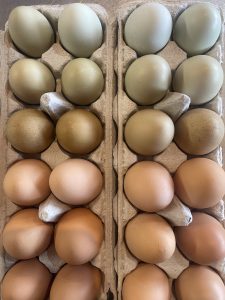
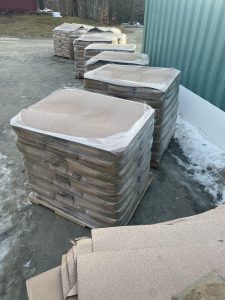
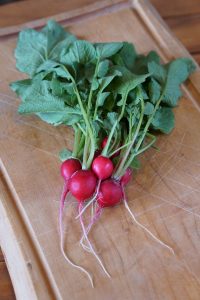
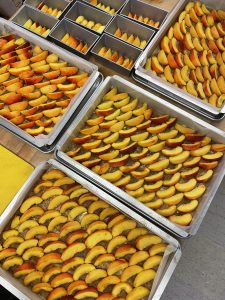
Today, Orchard Hill Breadworks is woven into the local economy in numerous ways, some obvious and others subtle. One constant is that every year that impact grows.
We partner with over three dozen farms and producers, buying everything from grains and flour, (close to 100 tons in 2025) to pastured eggs (about 80,000 last year) and sweeteners like honey and maple syrup. ( 400 and 125 gallons respectively)
All together, purchases made from these farms and producers account for nearly half of everything we spend on ingredients. For some of the producers we support, our purchases account for a tiny fraction of their total production and they wouldn’t notice if we disappeared entirely, but for many, we play a key role in helping their businesses succeed.
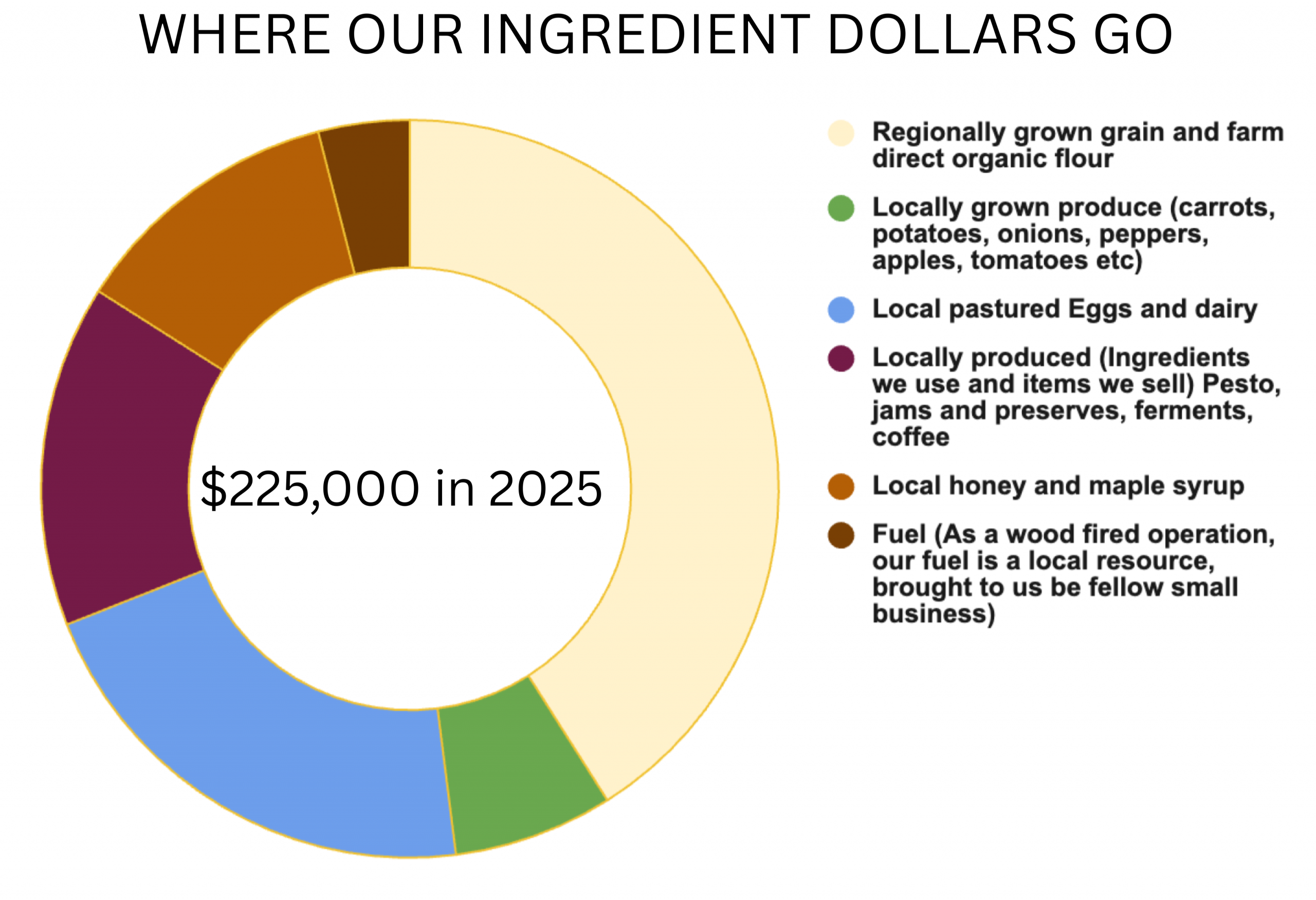
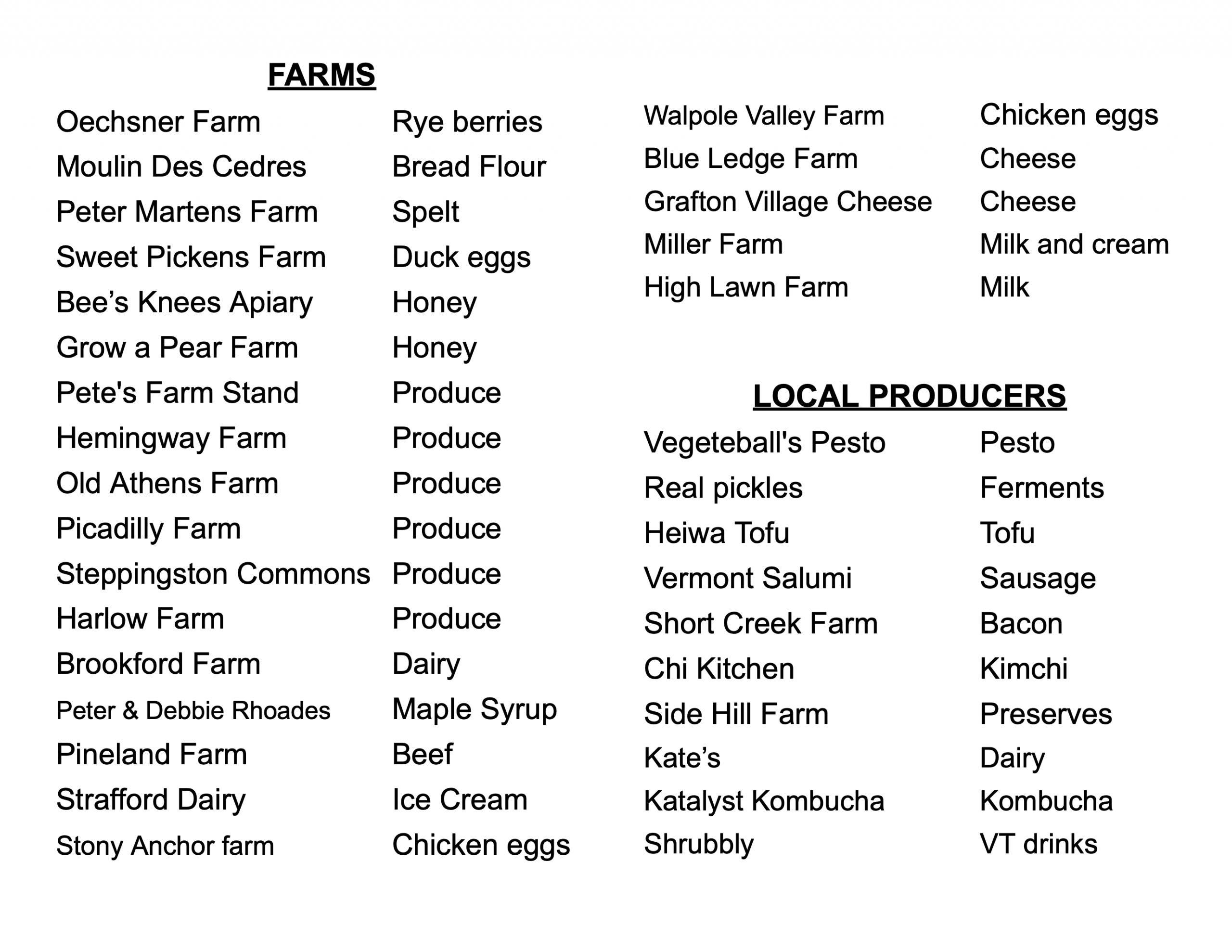
Food businesses don’t only purchase ingredients of course, and if we add in the other small operations in our neighborhood that we support and rely on, from builders and welders to plumbers, electricians and earth movers, the ripples that a place like Orchard Hill creates start to feel even more consequential.
Now the part I wish I’d see written about more often: While all of these things are good and make this corner of the world a more vital, resilient (and tasty) place for all of us to work and live, it is also all made possible only because of the wider economy within which we exist. Vast and truly unimaginably complex systems of transport, technology and industry, sometimes passively (the road system, internet and power grid for instance) and other times directly (our ability to call a supplier any day of the week, any week of the year and have any ingredient not available locally on our doorstep the next day) work non stop in service of what we do. And I didn’t even begin to talk about how critical it is for us that the larger economy be one in which people earn a fair wage that allows them to buy and afford products such as those we make and sell. The jobs in that economy are varied, but most are in industries other than small scale, artisanal crafts such as ours.
I started out by saying comparison is the thief of joy. I can easily get discouraged about how far we have to go to reach anything close to real sustainability. Indeed, there are no simple answers or quick solutions when it comes to solving big challenges, but I also think it’s okay every once in awhile to pat ourselves on the back, express our appreciation to everyone who’s supported us to come this far and at the same time acknowledge that we’ll never take for granted everything that goes into our success.